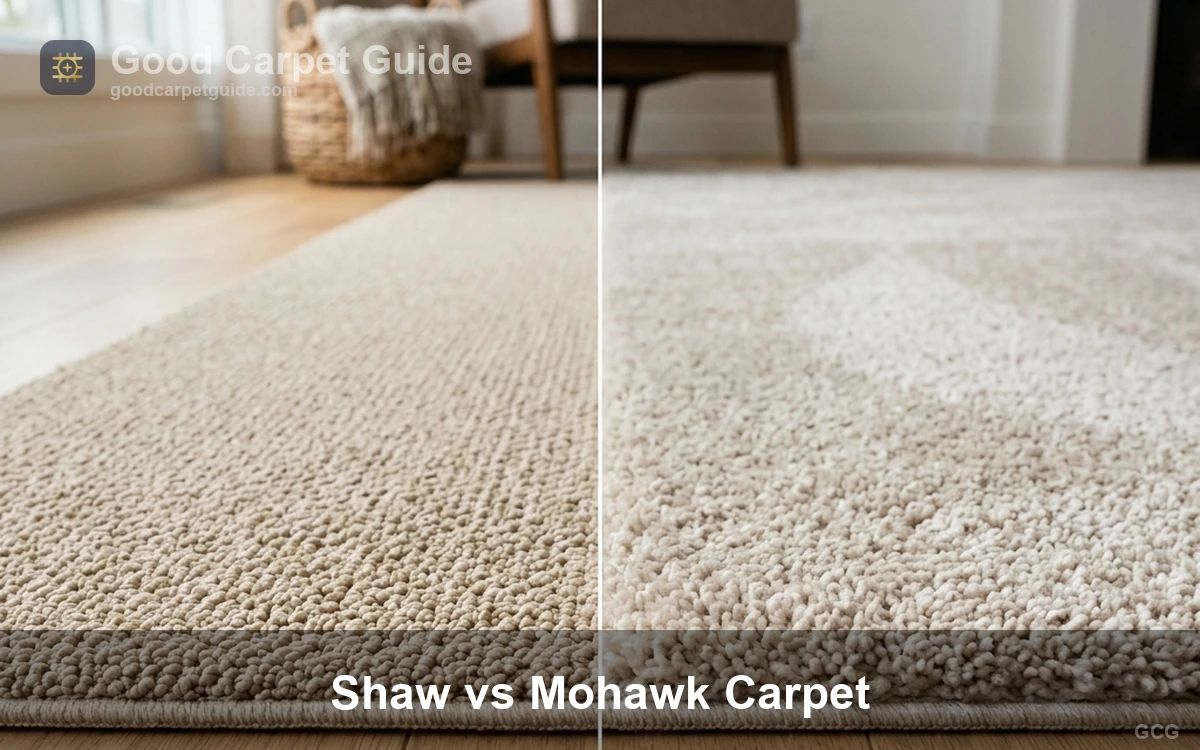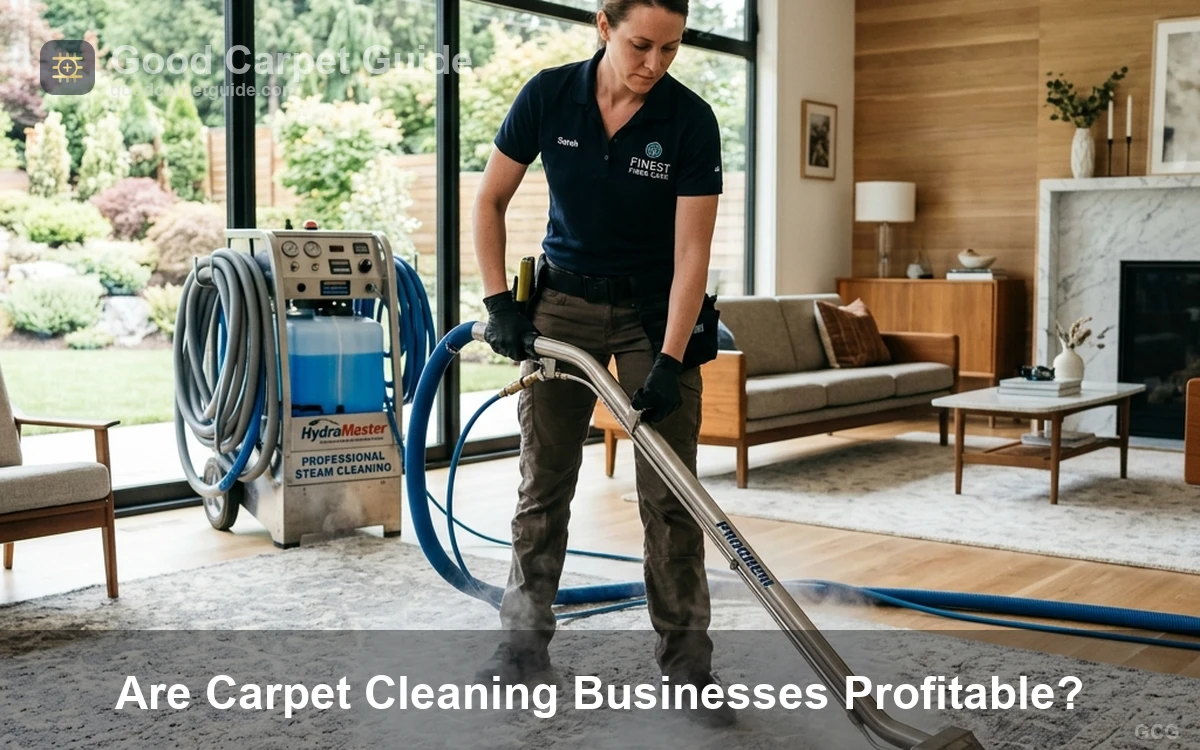
| Business Model | Startup Capital | Avg. Gross Margin | Avg. Net Margin | Daily Job Capacity | Primary Growth Bottleneck |
|---|---|---|---|---|---|
| Solo Owner-Operator (Independent) | $8,000–$65,000 | 80%–90% | 35%–50% | 2–6 jobs/day | Owner labor capacity |
| Multi-Truck Fleet (Independent) | $120,000–$500,000+ | 55%–75% | 10%–30% | 12–40 jobs/day | Payroll and fleet overhead |
| National Franchise Model | $71,000–$522,195 | 53%–63% | 5%–15% | 4–20 jobs/day | Royalties and advertising fees |
Carpet cleaning businesses are profitable when the business model stays lean, equipment efficiency stays high, and customer acquisition costs remain controlled. Carpet cleaning businesses produce extremely high gross margins because hot water extraction jobs consume minimal raw material compared to labor billing rates. The profitability collapse happens during scaling, franchise royalty stacking, fleet payroll expansion, and inefficient marketing spend.
A solo owner-operator running a truckmount system produces the strongest cash-flow profile in the modern residential cleaning market. A single technician cleaning 4 to 6 homes daily at $100 to $150 per billable hour creates net margins between 35% and 50% after fuel, chemicals, insurance, van depreciation, and lead costs. Multi-truck fleet operations compress profitability because technicians, dispatchers, office staff, workers compensation insurance, vehicle repairs, and idle truck time absorb cash flow. Franchise systems compress margins even harder because royalty structures extract revenue from gross sales rather than net profits.
Equipment selection determines operational velocity. Truckmount extractors clean faster, dry faster, and complete double the daily job volume compared to portable extractors. Portable machines reduce startup costs but create longer dry times that increase callbacks, customer complaints, and risks associated with carpet delamination risks . Chemical knowledge also separates profitable operators from struggling operators because over-mixed detergents create rapid re-soiling cycles that destroy repeat business margins.
Customer acquisition determines survival. Google PPC campaigns regularly exceed $104 cost per lead, while Local Services Ads average roughly $39 per lead. Guerrilla offline marketing in middle-to-upper income neighborhoods regularly outperforms expensive agency retainers. Subcontracting through lead-generation middlemen destroys net margins because a 25% referral fee removes the majority of remaining operator profit.
The Financial Blueprint: Independent vs. Franchise Profit Margins
Independent carpet cleaning businesses outperform franchise systems because independent operators keep operational control, marketing flexibility, and gross revenue ownership. Franchise systems exchange operational independence for brand recognition while extracting recurring royalties from every invoice generated.
Solo Owner-Operator Margins (The Sweet Spot)
Solo owner-operators generate the strongest profitability profile in the carpet cleaning industry. Solo operators avoid payroll taxes, employee turnover, workers compensation claims, scheduling inefficiencies, and dispatcher overhead.
Independent operators routinely produce gross margins between 80% and 90% per cleaning job. Actual net margins settle between 35% and 50% after accounting for fuel, insurance, van maintenance, chemical inventory, equipment depreciation, and advertising costs. One industry operator summarized the math directly:
"Most businesses with employees doing the work leave around 25-35% profit. If you are an owner operator you should be getting around 60-70% profit."
Truckmount owner-operators consistently outperform portable extractor operators because faster dry times increase customer satisfaction and allow higher daily production volume. High-performance extraction systems also improve results on nylon fiber systems discussed in nylon vs polyester carpet performance differences , where heat stability and soil suspension rates directly impact cleaning quality.
Multi-Truck Fleet Operations (The Scaling Penalty)
Multi-truck fleet operations lose efficiency because payroll overhead compounds faster than ticket pricing increases. Scaling converts a labor business into a logistics business.
Fleet operations commonly compress into 10% to 30% net margins despite maintaining strong revenue volume. A three-person operation immediately absorbs roughly $11,250 monthly payroll costs before fuel, insurance, chemicals, rent, and advertising even enter the equation. Base monthly operating expenses for small fleets start around $16,100.
Idle technician time destroys margins faster than chemical costs or fuel expenses. One delayed job, one technician no-show, or one broken van transmission immediately damages daily production efficiency. Fleet owners repeatedly describe major repair events as catastrophic disruptions to per-job profitability:
"You could blow a tranny or rear end on a van which I've done and that will throw you're per job profit basis all out of whack from then on."
National Franchise Realities (The Royalty Squeeze)
National carpet cleaning franchises produce lower profitability because royalties extract cash flow directly from gross revenue. Gross revenue royalties punish operators during slow periods because franchise fees continue regardless of net earnings.
Franchise marketing materials emphasize revenue growth while minimizing discussion around royalty stacking, required technology fees, advertising assessments, and territory restrictions. Franchise operators regularly operate within 5% to 15% net profit margins after accounting for recurring franchise obligations.
Stanley Steemer Franchise Investment & Fees
Stanley Steemer requires one of the largest capital commitments in the carpet cleaning industry. Startup investment ranges from $158,210 to $522,195.
The Stanley Steemer structure includes:
| Franchise Model | Initial Investment | Royalty Fee | Advertising Fee | Technology/Other Fees |
|---|---|---|---|---|
| Stanley Steemer | $158,210–$522,195 | 7% of gross sales | 10% national brand fund | Additional operational requirements |
| Chem-Dry | $71,000–$254,000 | $452.44 flat monthly | Up to 3% gross sales | $450/month technology fee |
| Independent Operator | $8,000–$65,000 | None | Self-managed | Self-managed |
A 17% combined royalty and advertising structure severely compresses net profitability. A franchise location generating $500,000 gross annual revenue immediately loses $85,000 before labor, chemicals, fuel, insurance, vehicle maintenance, or taxes.
Chem-Dry Franchise Investment & Flat Royalties
Chem-Dry reduces initial startup costs compared to Stanley Steemer but still applies recurring operational fees that reduce retained earnings. Chem-Dry startup investment ranges between $71,000 and $254,000.
Chem-Dry locations report gross margins between 53% and 63%, yet average annual revenue per franchise location sits around $113,000. Average net profitability settles around $31,000 to $37,000 annually after royalties, technology fees, and marketing obligations.
The flat monthly royalty structure creates predictable expense forecasting, but low annual revenue averages still cap owner income potential. Independent truckmount owner-operators regularly exceed those annual profit numbers without franchise obligations.
Equipment Economics: Truckmount Rigs vs. Portable Extractors
Equipment economics determine cleaning speed, labor efficiency, dry time, and daily invoice volume. Truckmount systems dominate profitability because extraction power directly affects production capacity.
| Specification | Sandia Sniper 80-3500H Portable | HydraMaster Titan 325 Truckmount |
|---|---|---|
| Machine Cost | $900–$5,000 | $10,000–$45,000+ |
| Power Source | Standard 120V outlet | Gas/Diesel van-mounted |
| Water Pressure | 500 PSI | 1,200–1,500 PSI |
| Heat Range | 120°F–150°F | 200°F–240°F |
| Vacuum Hose Diameter | 1.5-inch | 2.0–2.5-inch dual vac hoses |
| Daily Job Capacity | 2–3 jobs/day | 4–6 jobs/day |
| Carpet Dry Time | 8–14 hours | 4–6 hours |
Truckmount Systems (The High-Heat Powerhouses)
Truckmount systems produce superior extraction, higher temperatures, stronger vacuum recovery, and faster operational throughput. Truckmount systems dominate residential production cleaning because airflow physics directly determine moisture recovery rates.
Operating Specifications (PSI, Heat, Hose Diameter)
Truckmount extractors operate between 1,200 and 1,500 PSI while maintaining water temperatures between 200°F and 240°F. Larger 2.0 to 2.5-inch vacuum hose systems recover significantly more moisture than small portable units.
Professional operators repeatedly contrast the power gap between portable systems and truckmounts:
"A common portable machine has 100 psi water pressure, no heater and a single vacuum unit at a cost of $1000-1500 new. Truckmount units start at around 10 times that cost without the van."
High-heat extraction also improves oily soil breakdown and pet urine contamination removal. Pet odor extraction remains one of the most profitable residential service categories because severe contamination commands premium pricing, especially in homes discussed within best carpet for pets .
Daily Job Capacity and Dry Time Benefits
Truckmount systems clean a standard three-bedroom home within roughly 90 to 120 minutes. Faster extraction cycles allow operators to complete 4 to 6 jobs daily.
Dry-time reduction directly improves customer satisfaction. Carpets drying within 4 to 6 hours reduce bacterial growth risks, mildew development, and odor complaints.
Portable Extractors (The Mobilized Specialists)
Portable extractors provide mobility advantages in high-rise buildings and restricted-access properties. Portable systems reduce startup capital requirements but sacrifice production speed and extraction performance.
Spec Limitations and Extended Dry Times
Portable extractors typically operate around 500 PSI while plugging into standard 120V outlets. Portable systems commonly produce temperatures between 120°F and 150°F unless external heaters are added.
Extended dry times between 8 and 14 hours create operational and customer satisfaction problems. Excess moisture remains trapped deeper inside carpet backing and cushion layers because smaller vacuum motors lack sufficient lift.
Risk of Structural Carpet Delamination
Extended moisture exposure increases the risk of adhesive breakdown inside secondary carpet backing systems. Wet carpet backing structures weaken latex bond integrity and accelerate structural separation problems discussed in carpet delamination risks.
Low-suction extraction also leaves behind excess detergent residue when operators fail to properly rinse fibers. Excess residue attracts rapid soil accumulation and creates customer complaints that trigger unpaid return visits.
The Startup Cost Barrier: Operational Expenses and Fixed Overhead
Startup costs extend far beyond extraction machines and cleaning chemicals. Operational overhead determines survival during slow seasonal periods.
Base Monthly Operating Expenses (OpEx) for Fleets
Fleet operations absorb large recurring expenses before generating profit. A three-person fleet operation regularly faces baseline monthly costs around $16,100.
Common monthly operational expenses include:
| Expense Category | Estimated Monthly Cost |
|---|---|
| Payroll | $11,250 |
| Facility Rent | $1,200 |
| Commercial Vehicle & Liability Insurance | $1,050 |
| Fuel | $600–$1,500 |
| Marketing | $1,000–$4,000 |
| Chemicals & Supplies | $400–$1,200 |
Truckmount systems also require continuous mechanical servicing. Truckmount maintenance commonly costs approximately $1.50 per engine runtime hour.
Vehicle Maintenance and Fleet Repair Risk
Commercial vans experience severe wear because truckmount systems add significant payload weight and constant idle engine hours. Fleet repair exposure remains one of the most underestimated costs in the industry.
Transmission failures, differential replacements, cooling system breakdowns, and PTO maintenance destroy monthly cash flow. Older fleet vans also produce higher downtime risk that directly reduces production volume.
The Legal Duty: Federal Wastewater Regulations and Fines
Wastewater disposal compliance determines whether a carpet cleaning business operates legally. Improper wastewater dumping violates federal environmental law.
The Federal Clean Water Act of 1972 Standards
The Federal Clean Water Act prohibits dumping wastewater into storm drains, streets, roadside gutters, open soil, and waterways. Carpet cleaning wastewater contains detergents, suspended soils, organic contaminants, and chemical residues.
Industry operators describe the legal requirement bluntly:
"It is ILLEGAL to dump your clean or dirty solution down a storm sewer, into a stream or onto a street or driveway - PERIOD!"
EPA enforcement applies regardless of business size. Solo operators and fleet operations remain equally responsible for wastewater handling compliance.
Sanitary Sewer Discharge & Publicly Owned Treatment Works (POTW)
Filter and discharge dirty wastewater exclusively into sanitary sewer systems connected to Publicly Owned Treatment Works (POTW). Utility sinks, janitorial drains, and toilets connected to municipal sewer systems qualify as compliant discharge points.
Wastewater filtration systems also reduce clogging risks inside customer plumbing systems. Responsible wastewater handling protects both legal compliance and operational reputation.
Customer Acquisition Costs: Paid Digital Leads vs. Physical Guerrilla Marketing
Customer acquisition cost determines whether carpet cleaning revenue converts into actual profit. Lead-generation inefficiency destroys net margins faster than fuel or chemical costs.
Paid Digital Channels (Google Ads & Local Services Ads)
Digital lead costs continue rising across the home service sector. Carpet cleaning operators competing inside Google Ads auctions regularly face aggressive bidding pressure.
Local Services Ads (LSA) Cost Per Lead
Google Local Services Ads currently average approximately $39.03 per lead. Typical lead ranges fluctuate between $36.05 and $39.41.
LSA campaigns outperform traditional PPC campaigns because Google pre-filters calls through proximity and service intent signals. Lower lead costs produce stronger profitability for owner-operators.
Google PPC Search Ads Squeeze
Traditional Google PPC campaigns average approximately $104 cost per lead. Non-branded carpet cleaning search campaigns regularly exceed $149 per lead.
High PPC acquisition costs destroy profitability for low-ticket jobs. A $120 apartment cleaning acquired through a $104 lead effectively produces near-zero retained profit after fuel, labor, and chemical expenses.
Low-Cost Guerrilla Marketing Strategies
Physical guerrilla marketing produces extremely low acquisition costs when operators target affluent residential zones. Door hangers, business cards, QR-code offers, and direct neighborhood saturation repeatedly outperform overpriced marketing agencies.
One operator summarized the strategy clearly:
"I spent $200 and got around 5000 business cards. They have a 20% off offer on them for first time cleans with an expiration date for the discount code. Then I chose mid-upper class neighborhoods and put them on every door."
QR-code capture funnels also allow operators to build email remarketing databases without recurring ad spend. Repeat customer revenue dramatically increases lifetime customer profitability.
Pricing Models and the Minimum Viable Ticket Threshold
Pricing structure determines whether operational capacity converts into sustainable profit. Underpricing destroys business viability even when job volume stays high.
Flat Rate per Room vs. Square Footage Pricing
Residential carpet cleaning pricing commonly ranges between $0.31 and $0.40 per square foot. Apartment cleanings and move-out jobs frequently use flat-rate pricing structures between $40 and $60 per room or area.
Square-footage pricing creates better scalability for larger residential properties. Flat-rate pricing works better for small apartments and fast turnover jobs.
Solo Operator Hourly Rate Targets
Successful owner-operators target $100 to $150 per billable hour. Hourly revenue targets matter more than per-room pricing because setup time, driving time, hose deployment, and furniture movement consume labor hours.
One operator summarized realistic hourly expectations:
"I try for $100 - $150 per hour. Some jobs I only get $50 and other jobs I may get $200 but I average right around $100."
Truckmount systems support those hourly targets because faster dry times reduce production delays. Portable extractors reduce effective hourly revenue because operators complete fewer total invoices daily.
Fleet Enterprise Break-Even Analysis
Fleet operations require significantly larger daily revenue thresholds to remain profitable. Payroll and fleet insurance continue regardless of daily booking volume.
A small three-truck operation carrying roughly $16,100 monthly operational overhead requires approximately $537 daily gross revenue simply to cover fixed expenses before taxes or owner salary. Slow scheduling periods rapidly create negative cash-flow cycles.
Maximizing Lifetime Value: The Danger of Chemical Over-Mixing and the Power of Add-On Services
Chemical precision directly affects customer retention, fiber longevity, and repeat cleaning frequency. Poor chemistry knowledge destroys profitability through callbacks and re-cleans.
The "Glug-Glug" Soap Disaster and Rapid Re-Soiling
Over-mixed detergents leave sticky alkaline residue trapped inside carpet fibers. Residual detergent behaves like a soil magnet that accelerates re-soiling and discoloration.
Industry operators repeatedly warn against the common "glug-glug" over-pouring method:
"Never over mix soap for carpet or hard floor cleaning. A little residual is absolutely ok. Mistake many make is over mixing it. We used to call this the 'glug-glug' method."
DIY stain attempts discussed in best carpet stain removers commonly create the same residue problems because homeowners oversaturate fibers with grocery-store detergents.
GLUG-GLUG SOAP RESIDUE LOOP
──────────────────────────────────
Excess detergent added
          ↓
Sticky alkaline residue remains
          ↓
Residue traps airborne soil
          ↓
Carpet darkens rapidly
          ↓
Customer complaint / callback
          ↓
Reduced profitability

CLEAN HIGH-HEAT EXTRACTION CYCLE
──────────────────────────────────
Proper dilution ratio
          ↓
High-heat rinse extraction
          ↓
Minimal residue remains
          ↓
Faster drying and cleaner fibers
          ↓
Longer visual cleanliness
          ↓
Higher referrals and repeat business
Different carpet fibers also respond differently to chemical exposure. Olefin, polyester, and nylon fibers each react uniquely to alkalinity, oxidation, and heat, as explained in nylon vs polyester carpet performance differences.
High-Profit Upsells (Fabric Protectors, Tile & Upholstery)
Add-on services generate significantly higher margins than standard carpet cleaning labor. Fabric protector applications require minimal additional labor time while commanding strong retail pricing.
One operator explained the profitability difference directly:
"Protector did require an investment in product to sell, but it added a lot of profit in a much shorter time than it took to make the money on cleaning."
Tile cleaning, grout sealing, upholstery extraction, and pet urine remediation produce premium ticket pricing because customers perceive those services as specialized restoration work rather than basic maintenance cleaning.
The Subcontracting Middleman Agency Trap
Lead-generation middlemen destroy profitability because referral fees extract cash flow from already compressed operational margins. Subcontracted cleaning arrangements rarely remain financially sustainable.
Standard carpet cleaning gross margins average roughly 50% to 65% before labor and overhead. Removing an additional 25% referral commission eliminates most remaining retained profit.
One operator summarized the problem directly:
"25% per month is fucking stupid... 25% kills the profit that the workers would have been pocketing."
Independent operators retaining direct customer ownership maintain dramatically stronger long-term business value. Customer lists, repeat bookings, referral relationships, and local reputation ultimately produce more enterprise value than outsourced lead pipelines.